
Heart Health, Cancer Care, and Precision Treatment
How Proton Therapy Protects What Matters Most
February is recognized as Heart Health Awareness Month — a time when many people focus on preventing heart disease, improving circulation, and protecting overall wellness. But for cancer patients, heart health takes on an even deeper meaning.
For individuals undergoing radiation therapy, protecting the heart and nearby organs is critical to long-term quality of life. That’s why advanced treatment options like proton therapy are changing the way cancer care is delivered.
At Kansas City Proton Institute, serving patients across Overland Park, Kansas City, and the surrounding Midwest, the focus is not just on treating cancer — it’s on protecting the whole person. Their approach centers on targeted care, reduced side effects, and compassionate support throughout every step of treatment.
Why Heart Health Matters During Cancer Treatment
Many cancers treated with radiation — including breast, lung, and esophageal cancers — are located near vital organs like the heart and lungs. Traditional radiation therapy can sometimes expose these organs to unnecessary radiation, increasing the risk of long-term complications.
These risks may include:
- Heart damage
- Reduced lung function
- Fatigue and inflammation
- Long-term cardiovascular concerns
This is why modern oncology care now focuses on precision treatment that minimizes exposure to healthy tissue while still delivering powerful cancer-fighting results.
What Makes Proton Therapy Different?
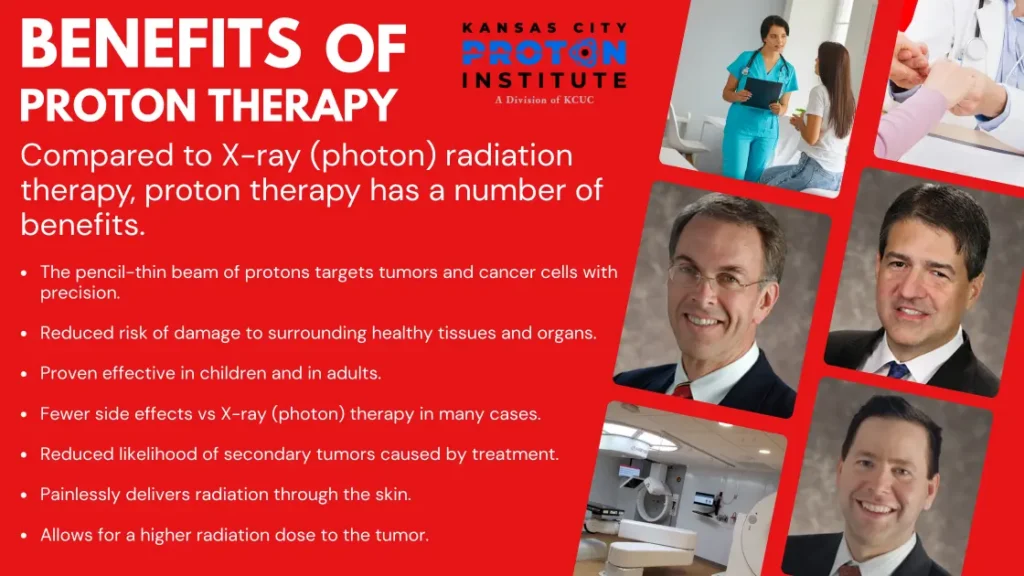
Proton therapy is an advanced form of radiation treatment that uses charged particles instead of traditional X-rays. The key difference lies in how the radiation is delivered.
Unlike conventional radiation, proton therapy can:
- Stop precisely at the tumor site
- Avoid passing through healthy tissue
- Reduce radiation exposure to nearby organs
- Lower the risk of long-term side effects
For cancers located near the heart or lungs, this precision can make a life-changing difference.
Breast Cancer & Proton Therapy: Protecting the Heart
One of the most important areas where proton therapy provides benefits is in left-sided breast cancer, where the heart sits close to the treatment area.
Traditional radiation can unintentionally expose heart tissue during treatment. Over time, this exposure may increase the risk of heart complications.
- Precisely targeting cancer cells
- Reducing radiation to the heart
- Lowering long-term cardiac risks
- Preserving healthy tissue
For many patients, this means peace of mind knowing their treatment is designed not just to fight cancer, but to protect their future health.
Schedule a consultation today with KC Proton Institute to learn more benefits of proton therapy.
Common Questions About KC Proton Institute & Proton Therapy
Why is the heart at risk during breast radiation?
Because of its location near the left breast, traditional radiation beams may pass through heart tissue.
Who may qualify for proton therapy?
Patients with left-sided breast cancer, high-risk cases, or those needing additional protection of healthy organs.
Proton Therapy: Lung Cancer Treatment Without Damaging Healthy Lung Tissue
Lung cancer presents another major challenge because the lungs are highly sensitive to radiation exposure. Damage to healthy lung tissue can lead to breathing issues and reduced quality of life.
Proton therapy can help patients with lung cancer by:
- Targeting tumors more accurately
- Preserving healthy lung function
- Reducing inflammation and scarring
- Lowering side effects during treatment
For patients with non-small cell lung cancer and other complex cases, this precision allows doctors to treat aggressively while minimizing long-term complications.
Schedule a consultation today with our team of experts at KC Proton Institute to learn more.
Esophageal Cancer: Precision Near Critical Organs
Esophageal cancer treatments are particularly complex because the esophagus sits between the heart and lungs. Radiation in this area requires extreme accuracy.
Proton therapy for esophageal cancer offers benefits such as:
- Protecting nearby organs
- Reducing swallowing complications
- Limiting radiation exposure to the heart
- Improving treatment tolerance
This level of precision is especially important for patients who already have underlying heart or lung conditions.
Learn more about the benefits of KC Proton Institute.
Re-Irradiation: When Cancer Returns
For patients facing cancer recurrence, traditional radiation may not always be safe due to previous exposure.
Proton therapy can offer new hope by:
- Delivering treatment to previously irradiated areas
- Minimizing additional damage to healthy tissue
- Providing safe retreatment options
- Improving long-term outcomes
This advanced capability allows physicians to safely treat patients who may have limited options otherwise.
Ready to talk to a proton therapy expert, schedule an appointment with KC Proton Institute today.
How Proton Therapy Helps Protect the Heart
One of the biggest benefits of proton therapy is its ability to reduce radiation exposure to the heart during cancer treatment.
This heart-sparing approach can:
- Lower the risk of cardiovascular complications
- Preserve long-term heart function
- Reduce inflammation of surrounding tissues
- Support overall survivorship health
For patients undergoing cancer treatment near the chest, this protection is one of the most significant advantages of proton therapy.
A Patient-Focused Approach to Cancer Care
At Kansas City Proton Institute, treatment goes beyond technology. Our team of experts focuses on personalized care, patient comfort, and long-term wellness.
Patients at KCPI often describe their experience as:
- Supportive and compassionate
- Thorough and educational
- Focused on whole-person care
- Centered on reducing stress during treatment
From the first consultation through recovery, the goal is to provide not just effective treatment, but reassurance and confidence.
Learn more about KCPI care providers today.
Serving Patients Across Kansas City & Overland Park
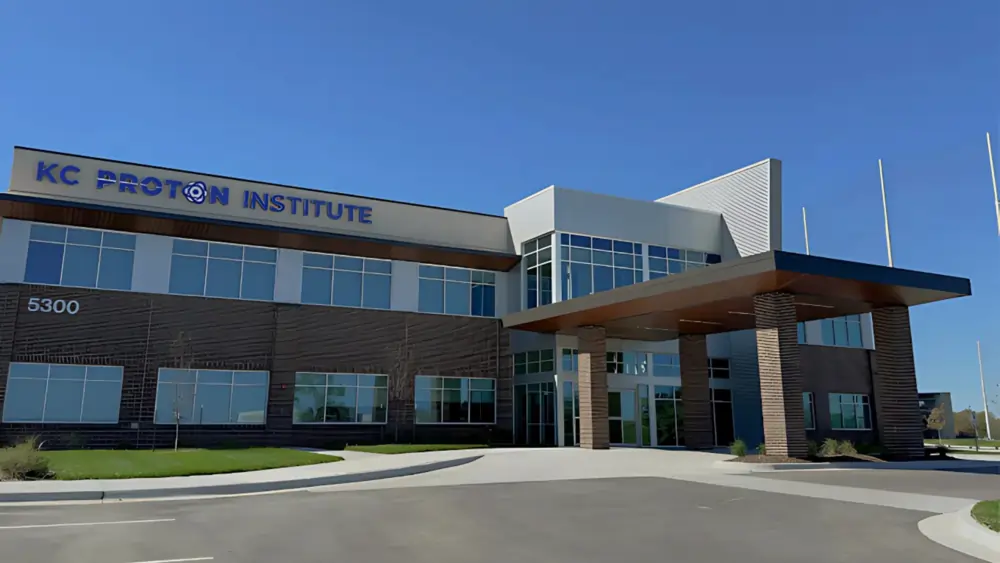
Located in Overland Park, the Kansas City Proton Institute serves patients throughout the Kansas City metro and surrounding region.
This local access to advanced cancer treatment means patients can receive world-class care close to home, reducing the need for long-distance travel while staying connected to their support systems.
The Connection Between Heart Health Awareness & Cancer Treatment
Heart Health Month serves as a powerful reminder that long-term wellness matters just as much as immediate treatment success.
For cancer patients, this means choosing therapies that:
- Protect healthy organs
- Reduce long-term risks
- Support survivorship
- Improve overall quality of life
Proton therapy aligns perfectly with this goal by offering targeted cancer treatment that prioritizes both effectiveness and safety.
Schedule a Consultation Today With KCPI
If you or a loved one is exploring cancer treatment options, understanding how proton therapy may impact long-term health is essential.
Proton therapy offers a powerful combination of precision, protection, and compassionate care.
Schedule a consultation today to learn how advanced, heart-sparing cancer treatment at Kansas City Proton Institute can help protect what matters most: your health, your future, and your quality of life.
FAQs About Proton Therapy & Heart Protection
Does proton therapy reduce heart damage risk?
Yes. Proton therapy’s precision helps limit radiation exposure to the heart compared to traditional radiation.
Is proton therapy safe for breast cancer patients?
It is especially beneficial for left-sided breast cancer where heart protection is critical.
Can proton therapy treat lung cancer?
Yes. Proton therapy can be used to target treatment while preserving healthy lung tissue.
Who is a candidate for proton therapy?
Eligibility depends on cancer type, location, and individual health factors. To learn more, schedule an appointment with our Kansas City Proton Institute Care Providers today.
Where is proton therapy available in Kansas City?
Patients can receive treatment at Kansas City Proton Institute in Overland Park, Kansas.