
Precision in Proton Therapy for Pancreatic Cancer
November is recognized as Pancreatic Cancer Awareness Month, a time dedicated to increasing education, early detection, and expanding access to advanced treatment options. For patients and families facing this diagnosis, understanding the latest technologies can provide hope and clarity during a difficult time.
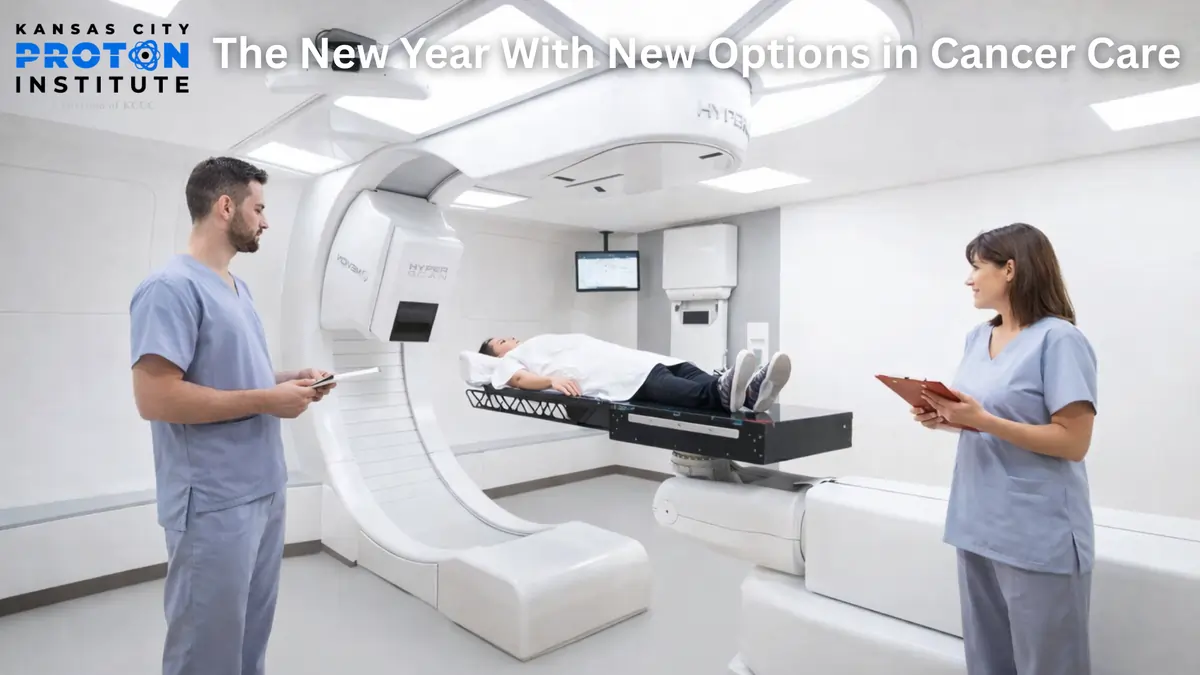
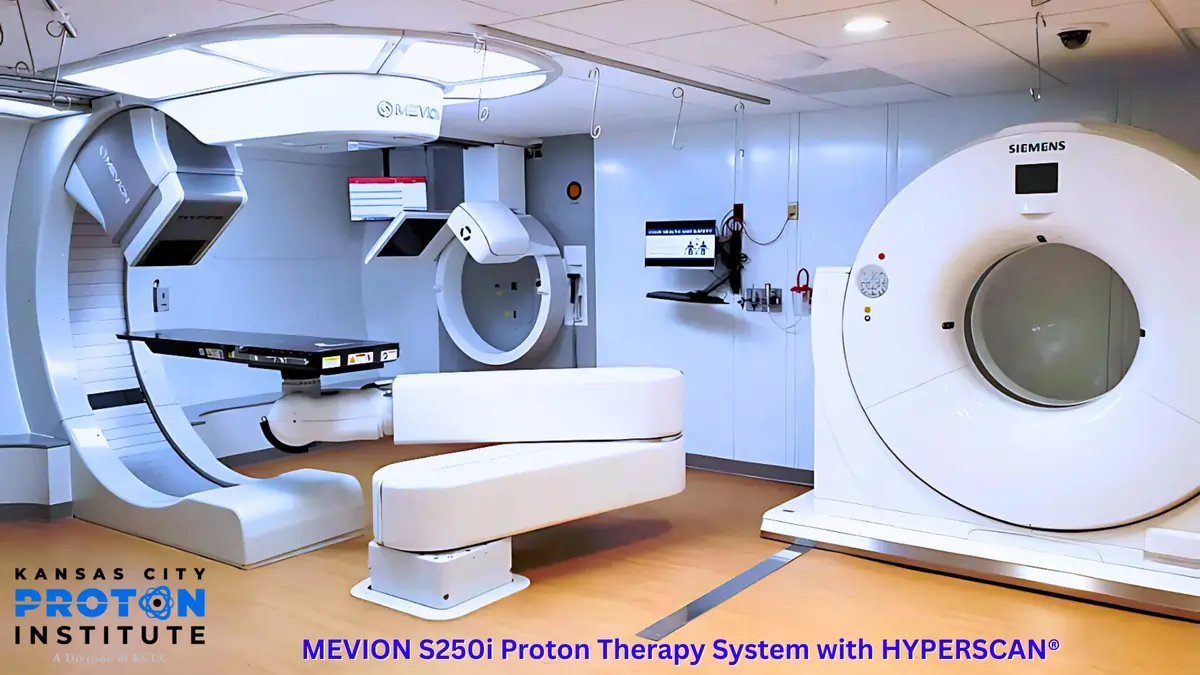
The Kansas City Proton Institute’s (KCPI) team is committed to offering innovative care—including proton therapy; a highly precise form of radiation designed to target pancreatic tumors while preserving nearby healthy tissue.
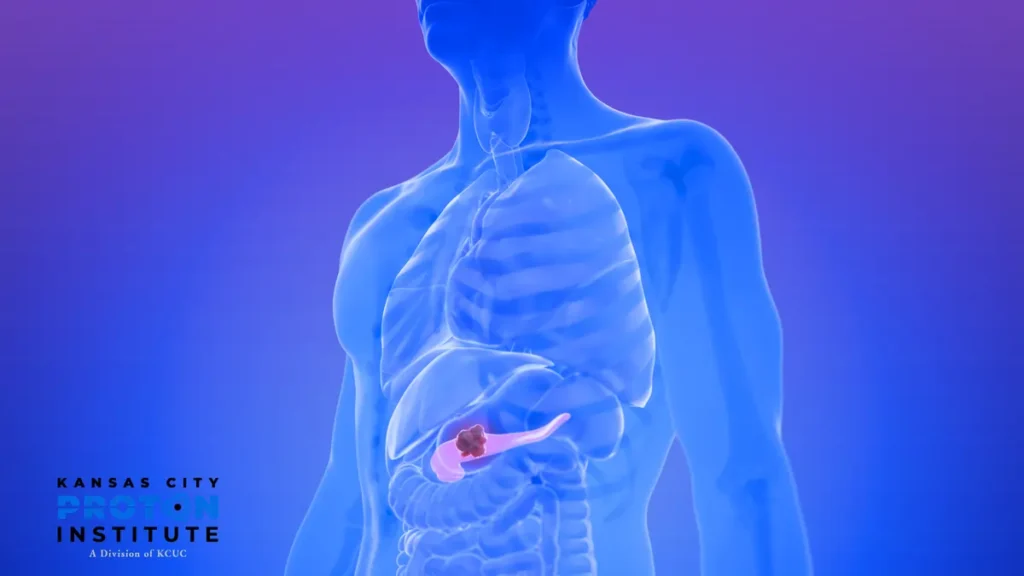
Because the pancreas rests deep in the abdomen and sits close to critical organs such as the stomach, liver, kidneys, and small intestine, treatment can be especially complex. That’s where the precision of proton therapy becomes a powerful tool.
Learn more below about what pancreatic cancer is, the signs to watch for, how proton therapy works, and how our team at the Kansas City Proton Institute (KCPI) supports patients every step of the way.
Understanding Pancreatic Cancer
Pancreatic cancer begins in the tissues of the pancreas—an organ responsible for insulin production and digestive enzyme release. It is known for being aggressive and difficult to detect early, which is why education and awareness are crucial.
Why Early Detection Matters On Pancreatic Cancer
Pancreatic cancer often develops without early symptoms. Many patients don’t experience signs until the disease progresses, making regular awareness and conversations with your healthcare provider essential—especially if you carry certain risk factors.
Common Symptoms of Pancreatic Cancer
While only a medical provider can diagnose pancreatic cancer, these symptoms may indicate the need for further evaluation:
1. Persistent Abdominal or Back Pain
Tumors in the pancreas can press on nearby nerves, causing pain that radiates to the back or upper abdomen. This is one of the more common early signs associated with pancreatic cancer, especially when the discomfort becomes consistent or worsens over time. Patients often describe the pain as a dull ache that doesn’t improve with rest. If abdominal or back pain appears suddenly or persists for weeks, it’s important to speak with a healthcare provider for further evaluation.
2. Unexplained Weight Loss
Pancreatic cancer can interfere with the body’s ability to properly digest food, leading to sudden weight loss or decreased appetite. When the pancreas cannot produce enzymes effectively, the body absorbs fewer nutrients, causing rapid changes in weight. Some patients may notice they feel full quickly or experience a general loss of interest in eating. Any significant weight loss without diet changes should be addressed with a medical professional.
3. Jaundice
Jaundice—yellowing of the skin or eyes—occurs when a pancreatic tumor blocks the bile duct. Because pancreatic cancer often develops near this area, bile can no longer flow normally, causing bilirubin to build up in the body. Patients may also notice itching, dark urine, or pale stools, which are additional indicators of reduced bile flow. Jaundice is a common sign that should prompt immediate medical attention.
4. Digestive Changes
Digestive issues such as nausea, vomiting, or greasy stools often occur when pancreatic enzymes aren’t being released properly. Pancreatic cancer can affect how the body breaks down fats and proteins, leading to changes in stool appearance and increased stomach discomfort. Some patients report bloating or a feeling of fullness even after small meals. These digestive shifts can signal that the pancreas is not functioning normally and may require evaluation.
5. New-Onset Diabetes
When a tumor affects the pancreas’ insulin-producing cells, new-onset diabetes can develop—sometimes without the usual risk factors. This may appear as increased thirst, frequent urination, or elevated blood sugar levels that are difficult to control. In some individuals, diabetes is one of the earliest detectable signs of pancreatic cancer. Anyone diagnosed with sudden, unexplained diabetes should follow up with their doctor for additional testing.
Anyone experiencing these symptoms should speak with a healthcare provider promptly. Early conversations lead to quicker testing and treatment options. Request an appointment with KCPI today! Or, call us at (913) 456-KCPI!
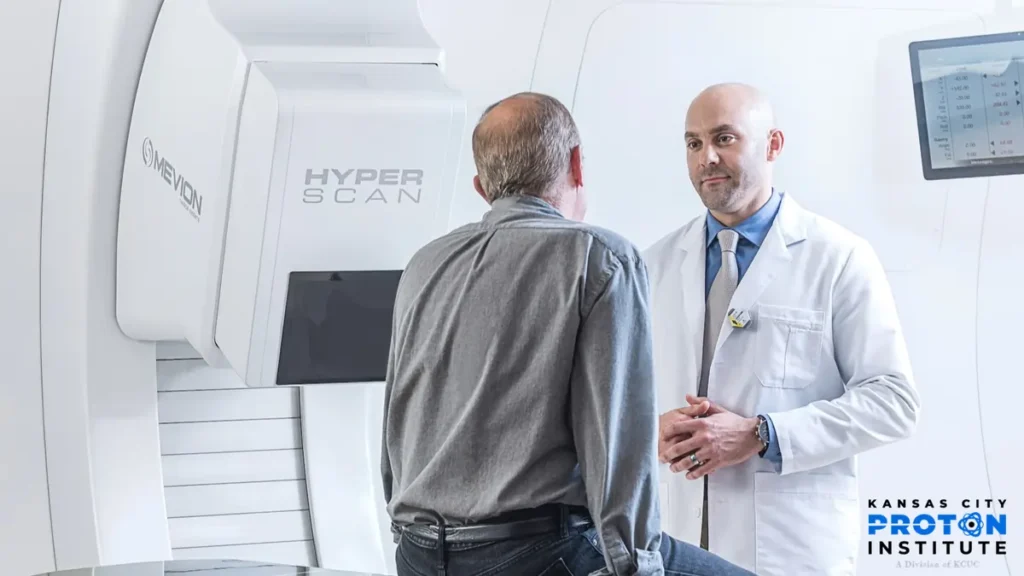
How Proton Therapy Supports Pancreatic Cancer Care
Proton therapy is a highly targeted type of radiation treatment that uses proton beams to attack cancer cells. Unlike traditional radiation, which continues passing through the body beyond the tumor, proton therapy releases most of its energy directly at the tumor site. This significantly limits radiation exposure to nearby healthy organs.
This is especially important for pancreatic cancer because of its location.
Why Precision Proton Therapy Matters
The pancreas is surrounded by sensitive organs, including:
- Liver
The liver filters toxins, processes nutrients, and produces bile that helps digest fats. Because it sits close to the pancreas, pancreatic cancer or its treatments can easily affect liver function. Protecting this organ is critical during radiation therapy. - Gallbladder
The gallbladder stores and releases bile into the digestive tract. When pancreatic tumors block the bile duct, the gallbladder can become backed up, contributing to jaundice and digestive issues. Its proximity makes precision in treatment especially important. - Small Intestine
The small intestine absorbs nutrients from food and connects directly to the pancreas through digestive ducts. Pancreatic cancer can disrupt this process, impacting digestion and overall nutrition. This area must be carefully protected during therapy. - Stomach
The stomach breaks down food and passes it into the small intestine. Since it sits directly in front of the pancreas, stomach tissue can be sensitive to traditional radiation treatments. Precision targeting helps reduce side effects like nausea or irritation. - Kidneys
The kidneys filter waste and regulate fluid balance. While not directly attached to the pancreas, they sit close enough that radiation must avoid unnecessary exposure. Preserving kidney function is essential during pancreatic cancer treatment.
Traditional radiation may expose these structures to unnecessary radiation, increasing complications. Proton therapy minimizes this risk of exposing, allowing KCPI’s specialists to deliver a more effective dose directly to the tumor while protecting what surrounds it.
Clinical Advantages of Proton Therapy for Pancreatic Cancer
- Higher, more effective doses to the tumor
- Reduced radiation exposure to critical organs
- Lower risk of treatment-related side effects
- Potential for improved tolerance alongside chemotherapy or surgery
- Ability to treat recurrent cases that previously received radiation
KCPI’s Patient-Centered Approach
KCPI’s mission extends far beyond offering advanced technology; we focus on each patient’s comfort, clarity, and confidence from the first consultation through every step of treatment. Kansas City Proton Institute’s team makes sure you feel supported, informed, and genuinely cared for throughout your proton therapy journey.
KCPI’s Multidisciplinary Treatment Planning
Every patient receives a comprehensive plan created by a full team of specialists, including:
- Radiation oncologists
- Medical physicists
- Oncology nurses
- Patient navigators
- Support staff trained in proton therapy care
Top 5 Questions About Pancreatic Cancer & Proton Therapy
1. What makes proton therapy different from traditional radiation?
Proton therapy delivers radiation directly to the tumor, stopping at the target rather than passing through the body. This allows for a higher dose to the cancer and less exposure to healthy tissues.
2. Can proton therapy treat all pancreatic cancers?
While every diagnosis is unique, proton therapy can be beneficial for many patients—including those with inoperable tumors or those who need combined treatment with chemotherapy.
3. Is proton therapy safe?
Yes. Proton therapy is designed to minimize side effects and protect vital organs. KCPI uses advanced imaging and planning technology to ensure maximum precision for every session.
4. How long is Proton Therapy treatment?
Proton Therapy treatment length varies depending on tumor size, location, and overall health. Your KCPI care team will create a custom schedule during your consultation.
5. How do I know if I’m a candidate for Proton Therapy?
The best way to know is through a consultation with KCPI. Our specialists review your scans, history, and medical needs to determine if proton therapy is the best approach.

Why People Choose Our KCPI Providers
KPCI’s patient-first team provides resources to ease the physical and emotional stress of treatment, including:
- Guidance on nutrition
- Symptom management support
- Help navigating insurance and benefits
- Compassionate care teams available throughout treatment
This care philosophy ensures no one walks through proton therapy alone. The Kansas City Proton Institute is committed to guiding every patient through treatment with clarity, education, and hope.
Request An Appointment with KCPI Today
If you or a loved one has been diagnosed with pancreatic cancer, you don’t have to navigate the journey alone. KCPI’s team is here to answer your questions, explain your treatment options, and help determine whether proton therapy is the right fit.
Request an appointment with KCPI today, or, give us a call at: (913) 456-KCPI!